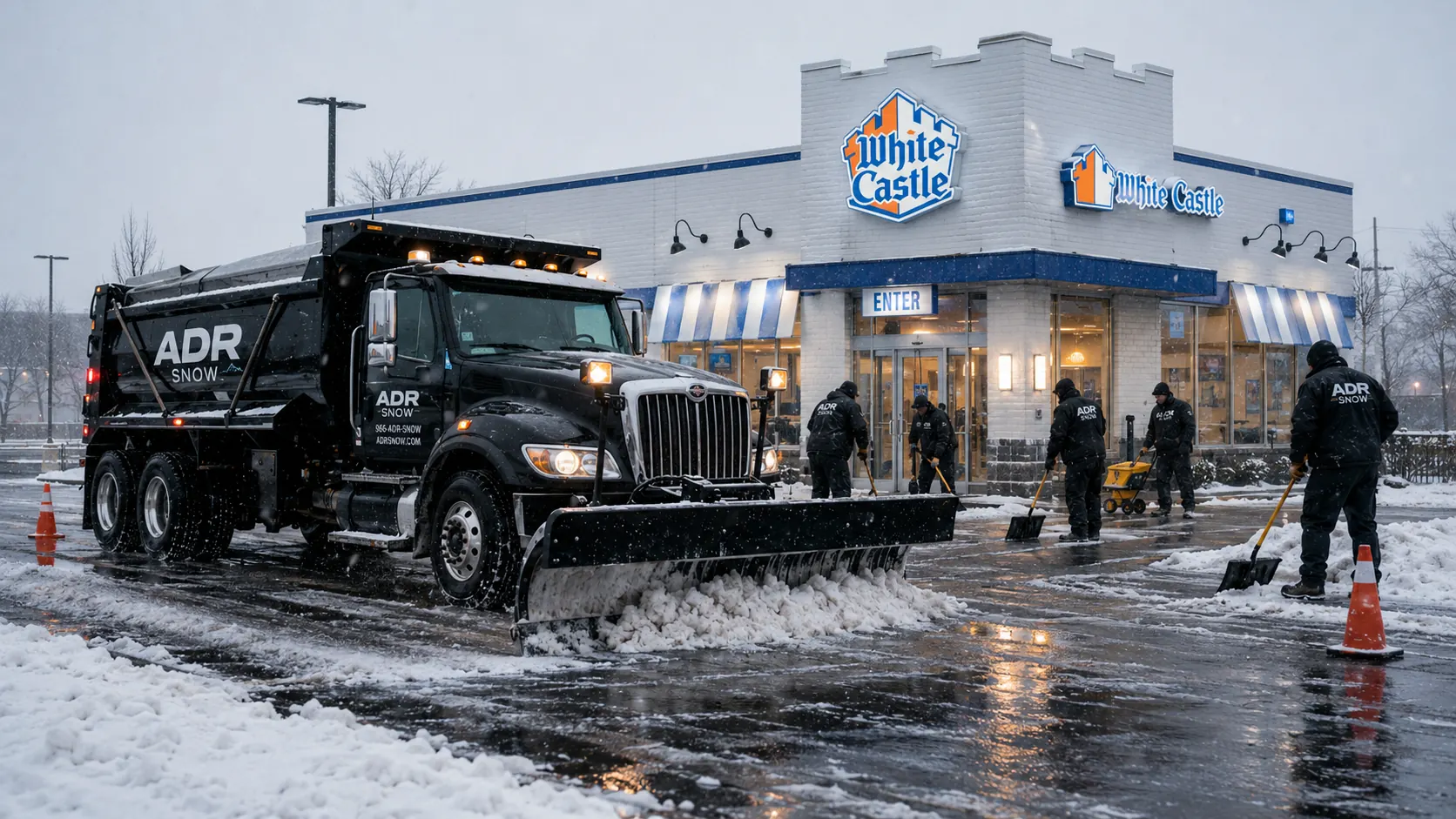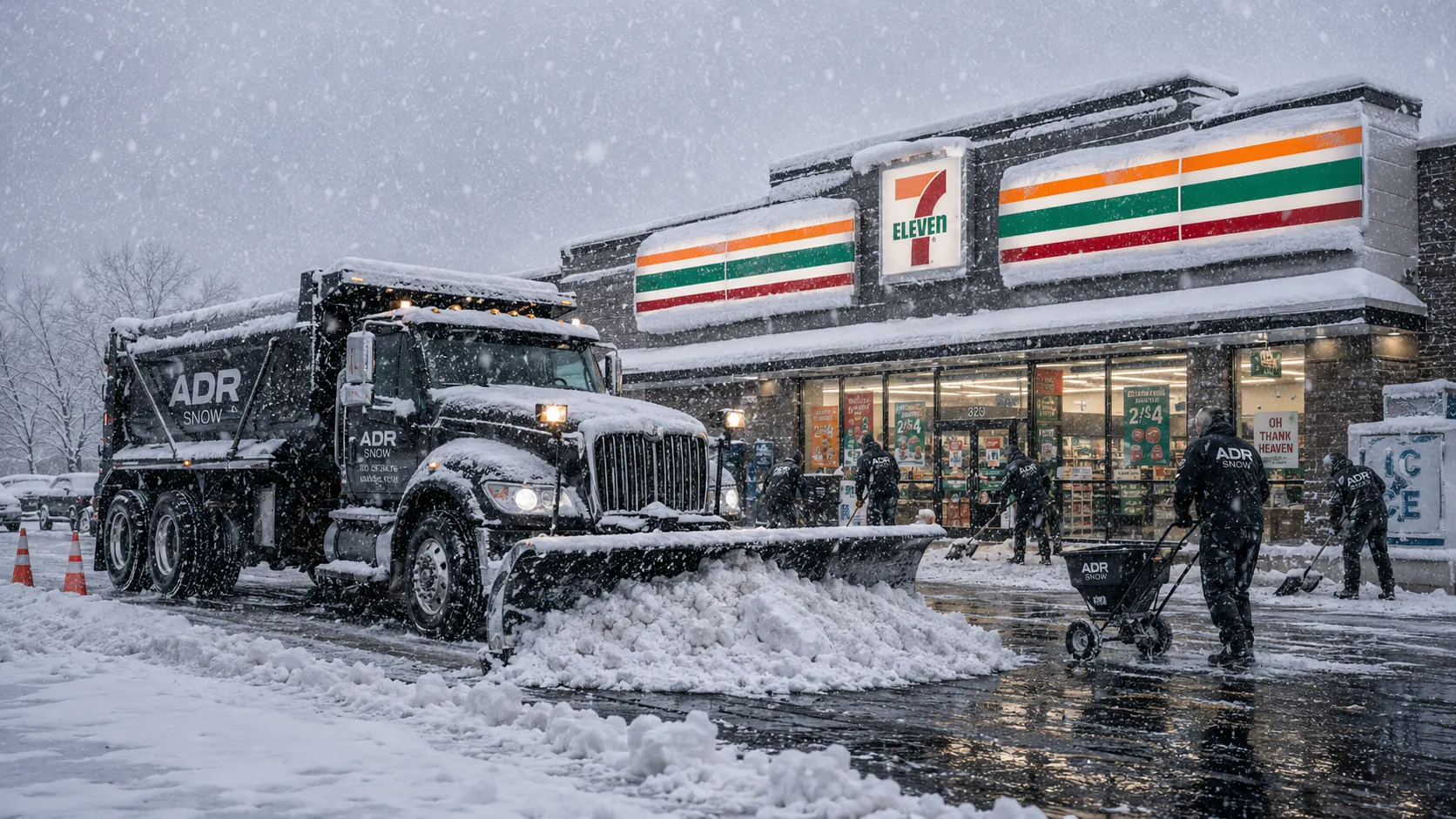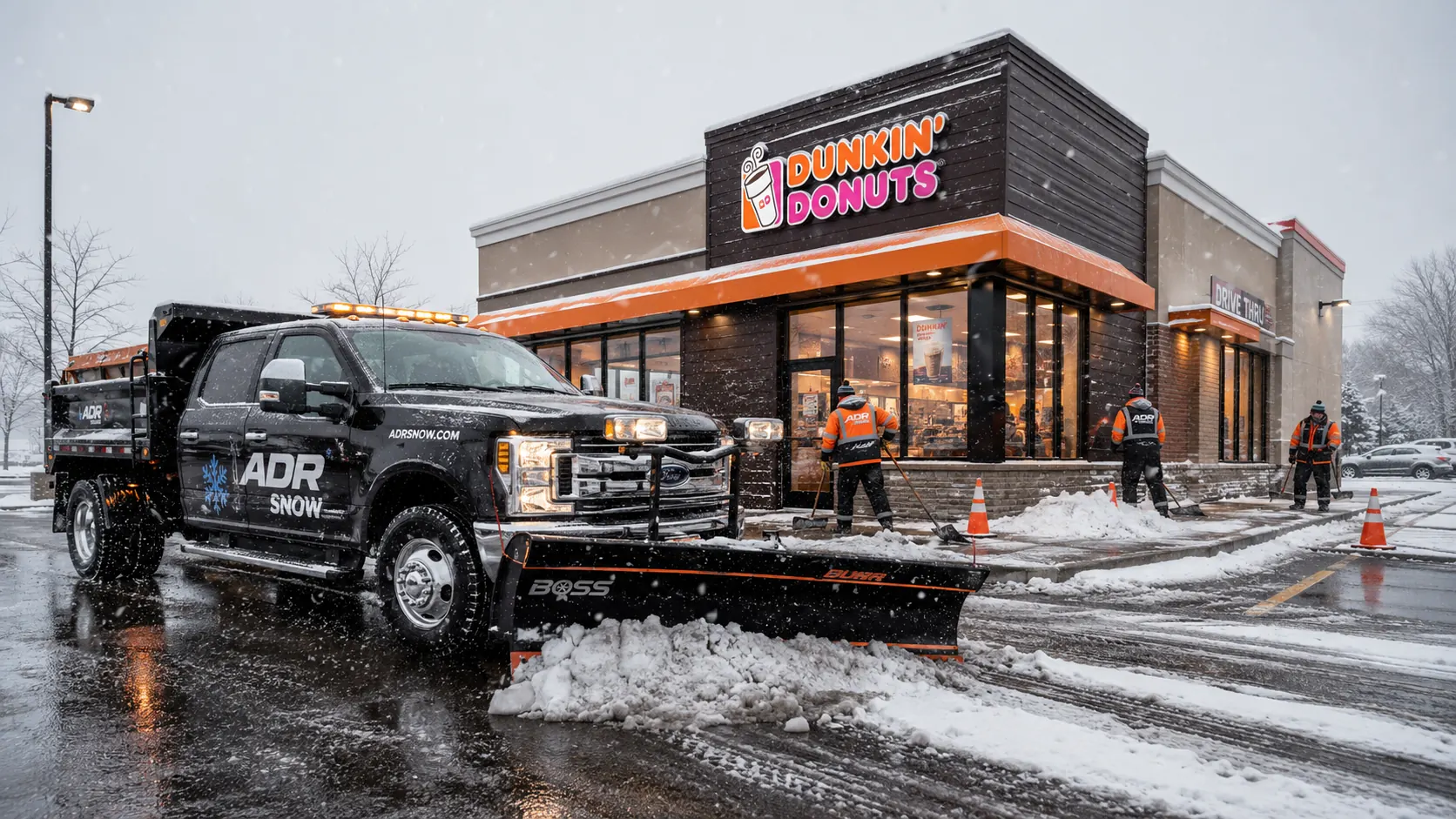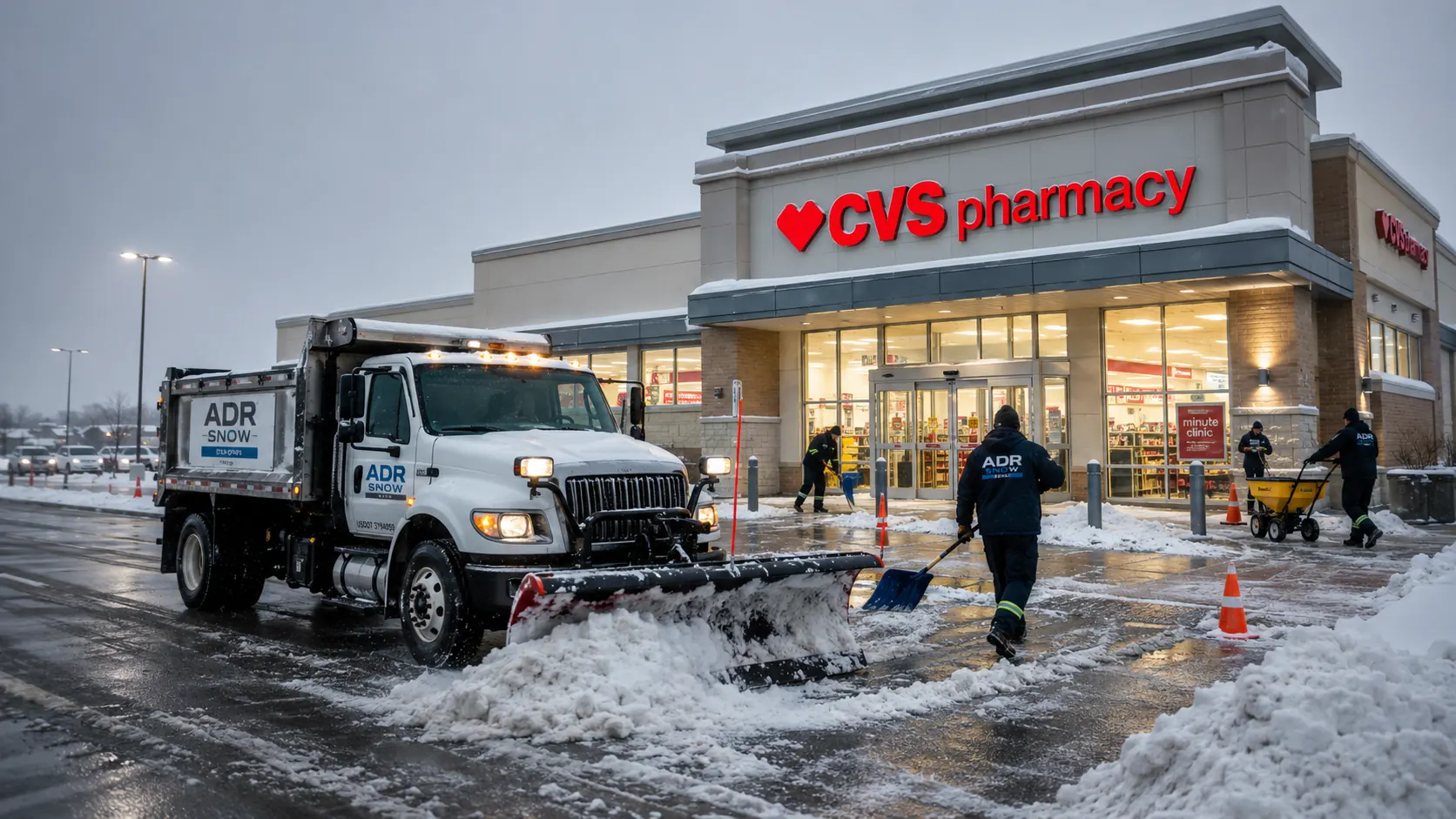
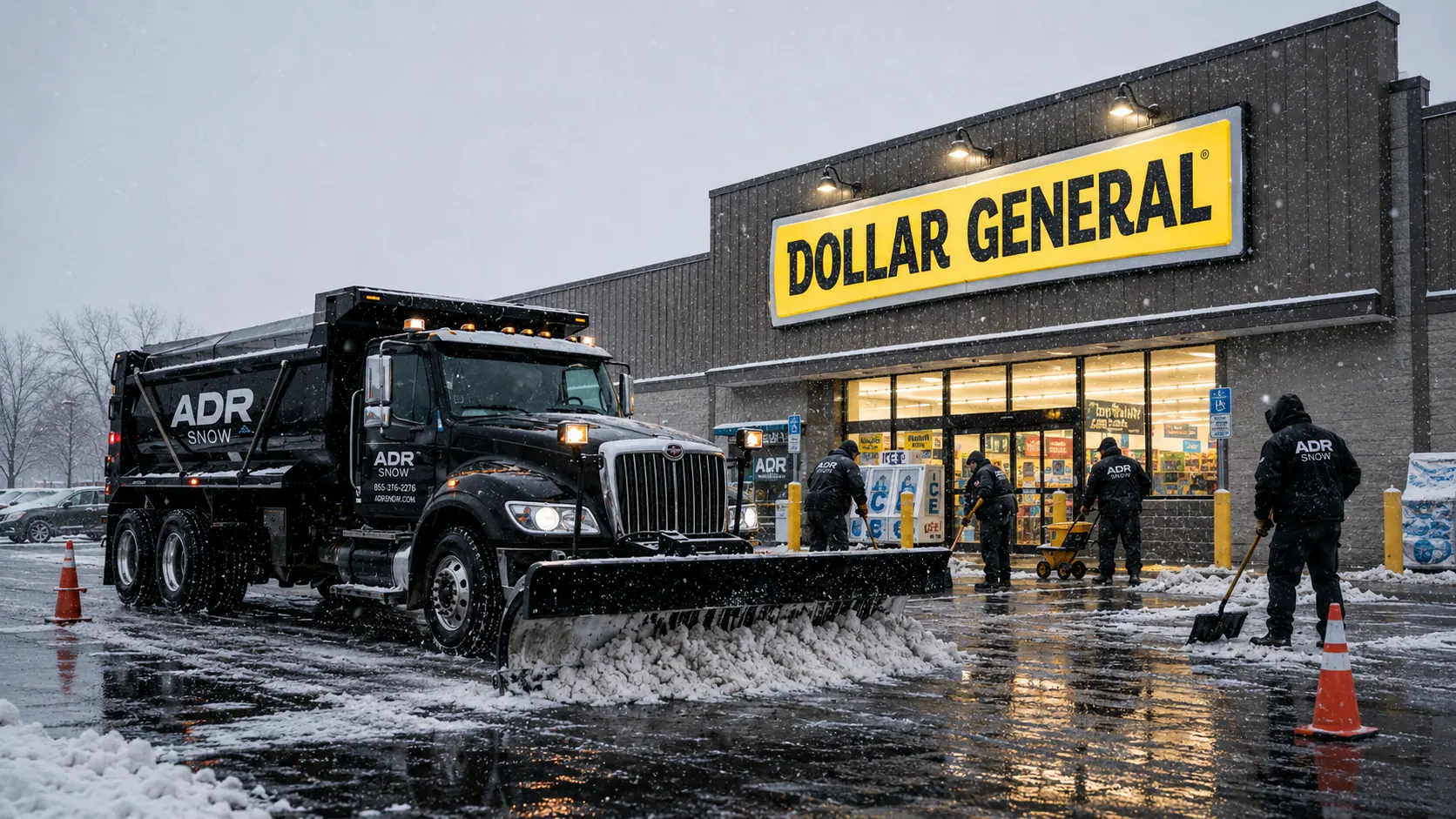
Prevention is not a more expensive contract. Prevention is the operational discipline that turns a standard contract into a defensible operation. The same vendor, doing the same work, on the same property, can produce wildly different incident outcomes depending on how the property runs the program.
Five operating rules that move the needle
First, define the trigger depth in the contract and never override it informally during the season. The trigger depth is the single most important variable in your program. Second, separate plowing from shoveling and from salting in the contract. The three services run different routes, on different cadences, with different equipment.
Third, document every visit at the property level. Time stamps, photos, application logs. Fourth, walk the property after the first storm of every season with the vendor and adjust routes based on what you find. Routes scoped in October rarely survive contact with the actual storm pattern.
Fifth, treat the period between events as part of the contract. Refreeze, freeze-thaw and overnight cold cycles cause more incidents than the storms themselves on most commercial properties.
What property staff can actually do
The most underused incident-prevention tool on a commercial property is the staff already on site. A daily morning sweep by property staff to identify any zones the vendor missed costs nothing, takes ten minutes, and resolves issues before they become incidents. A simple internal channel for staff to flag conditions in real time multiplies the value of the vendor contract.
Operational note
ADR Snow Management runs commercial winter operations across New York, New Jersey, Connecticut and Massachusetts. If your property would benefit from a contract structured around the standards described above, the conversation starts with a callback.