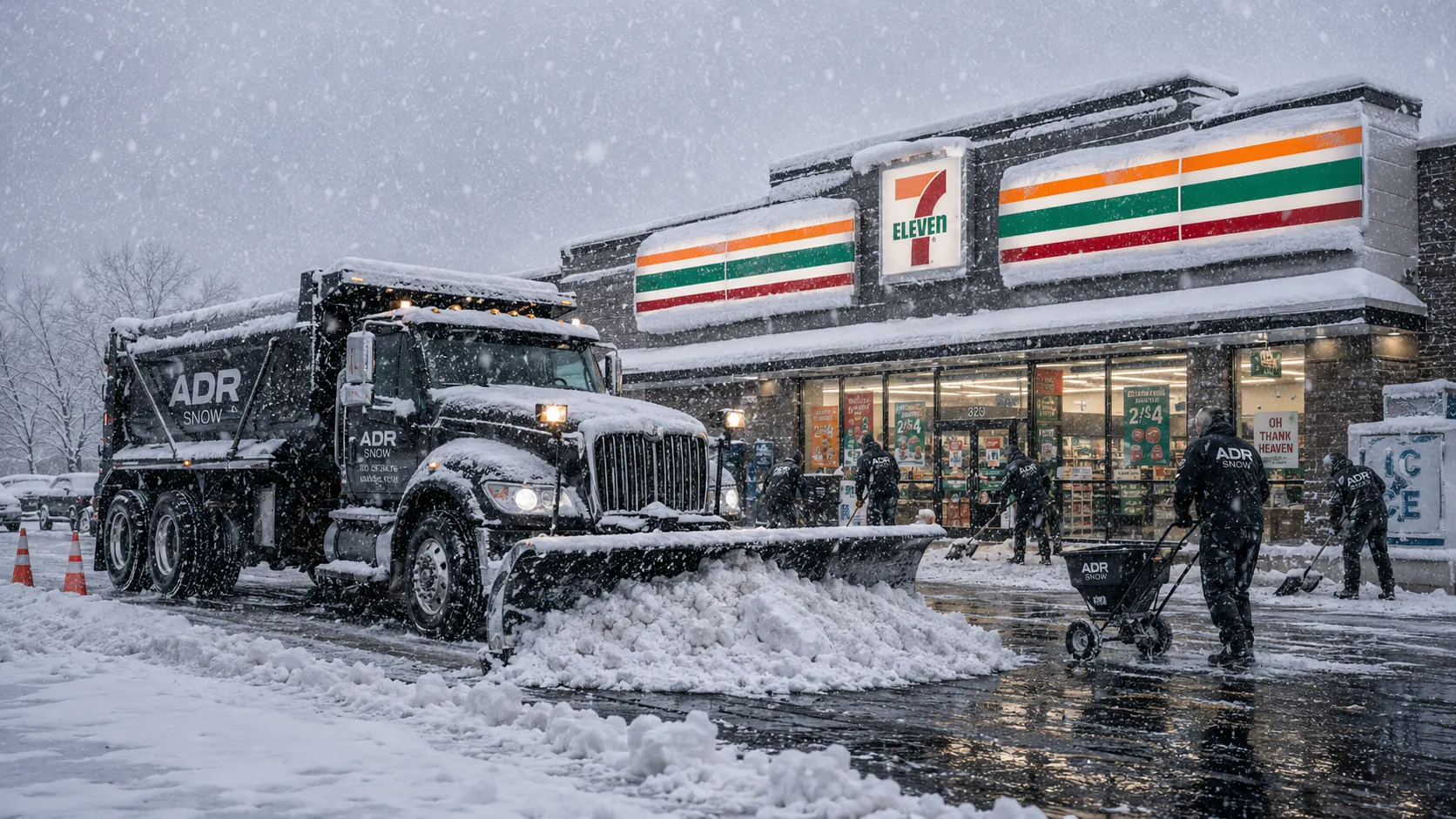
Black ice produces an outsized share of commercial property incidents because it removes the visual warning that ice usually provides. The condition forms when a thin film of water freezes onto pavement under cold enough air with calm enough conditions to allow the freeze. It is most common at dawn and dusk, in shaded zones and in areas with drainage runoff.
Where it typically appears on a commercial property
On most commercial properties, the high-risk zones are predictable. Shaded sections of parking lots that never see direct sunlight. Drainage paths that carry meltwater across pedestrian routes. ATM lanes and drive-thrus where idling vehicles deposit moisture. Loading dock aprons where overnight humidity condenses. Building shadow lines that move through the day.
Properties with multiple buildings or unusual geometry often have black ice hot spots that show up year after year in the same locations. Mapping those zones during the first season is the single highest-leverage prevention work a property can do.
What an operational routine actually looks like
The routine that catches black ice is monitoring, not response. A scheduled walk-through at dawn during cold-temperature periods, even when no storm has occurred, is the difference between catching a forming patch and absorbing the incident report. Pair the walk-through with pre-treatment of high-risk zones based on the forecast, not based on actual accumulation.
Black ice events do not require accumulation. The forecast trigger for treatment is temperature plus dew point plus surface history, not snowfall.
Operational note
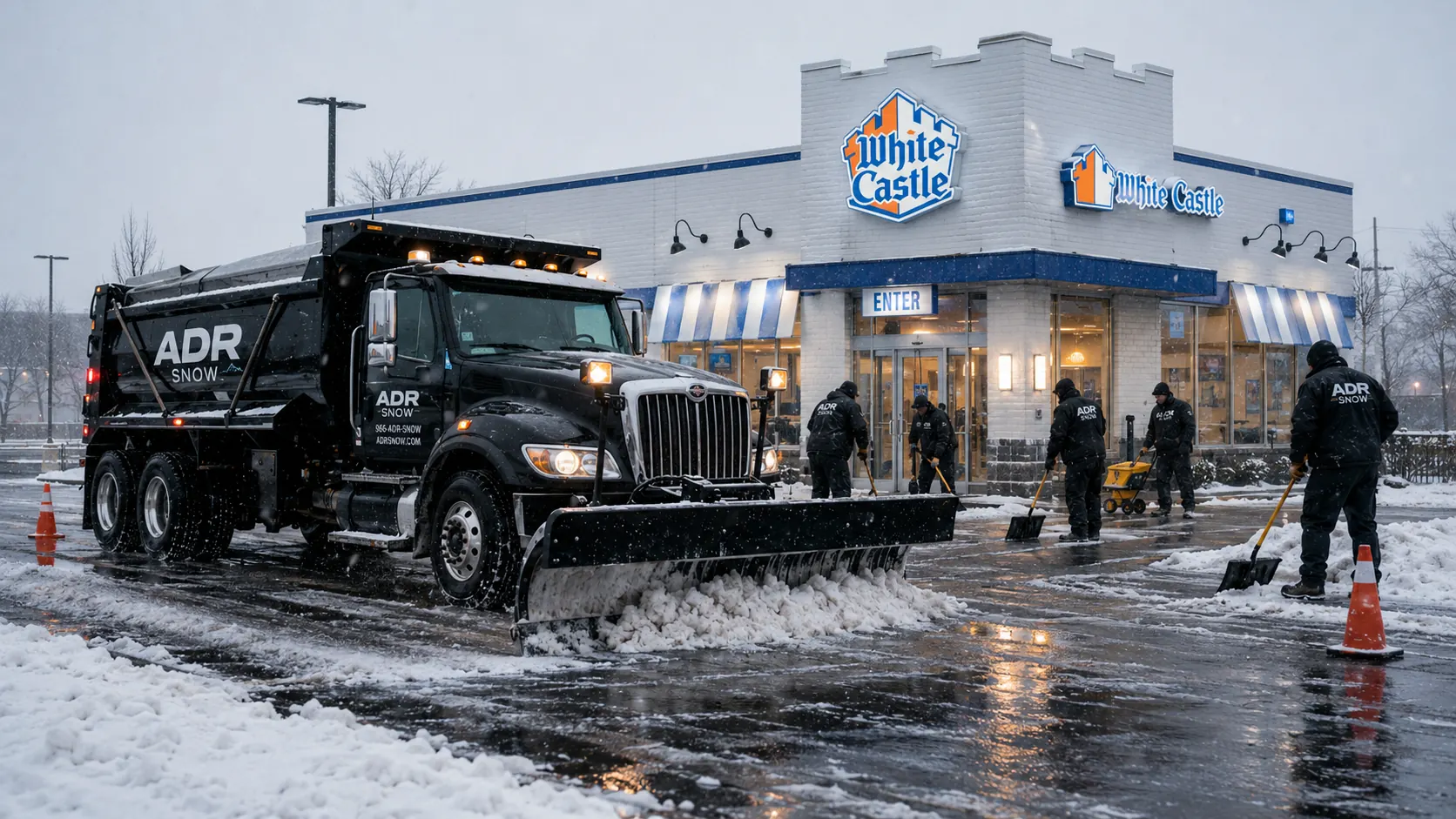
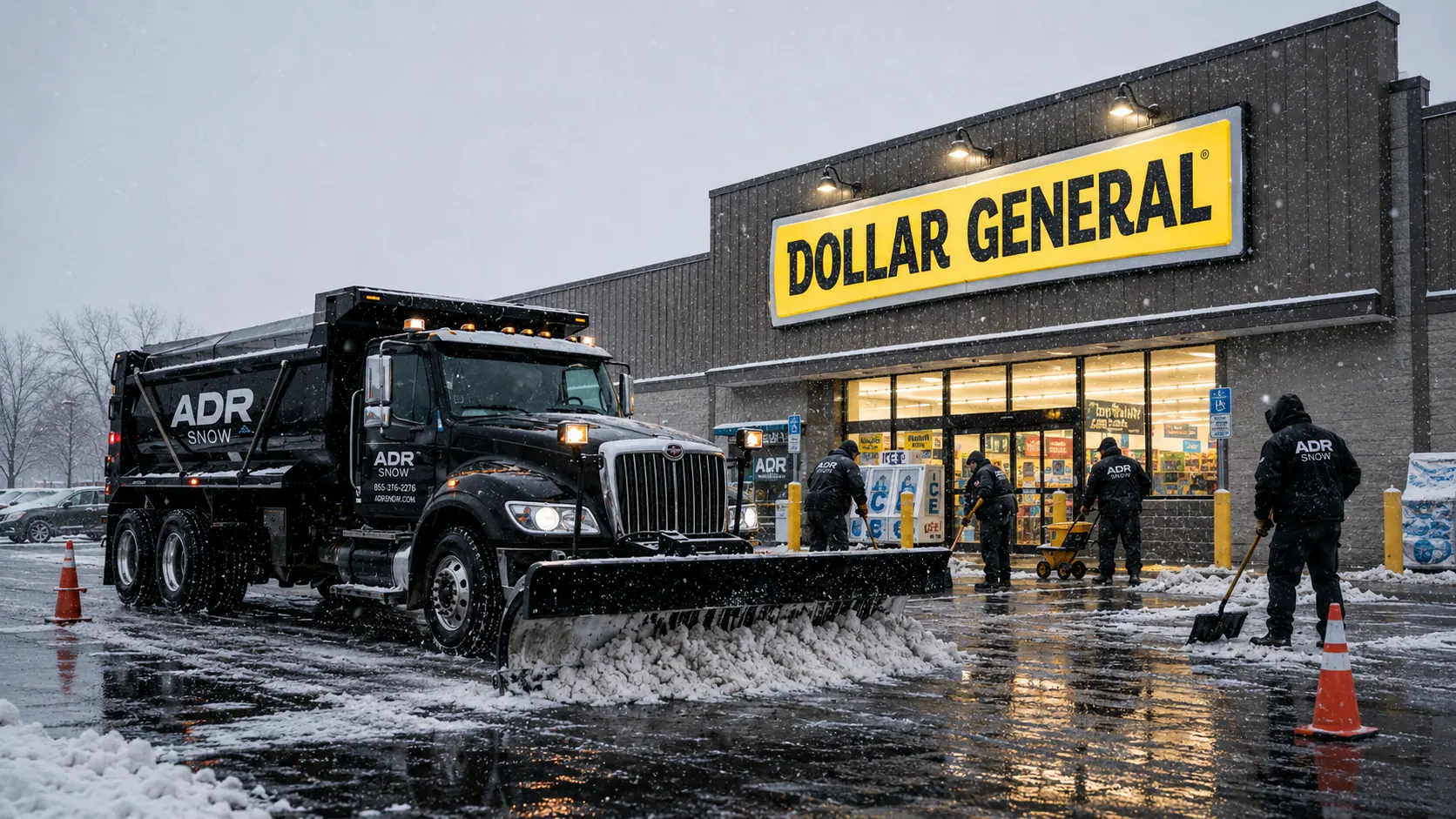
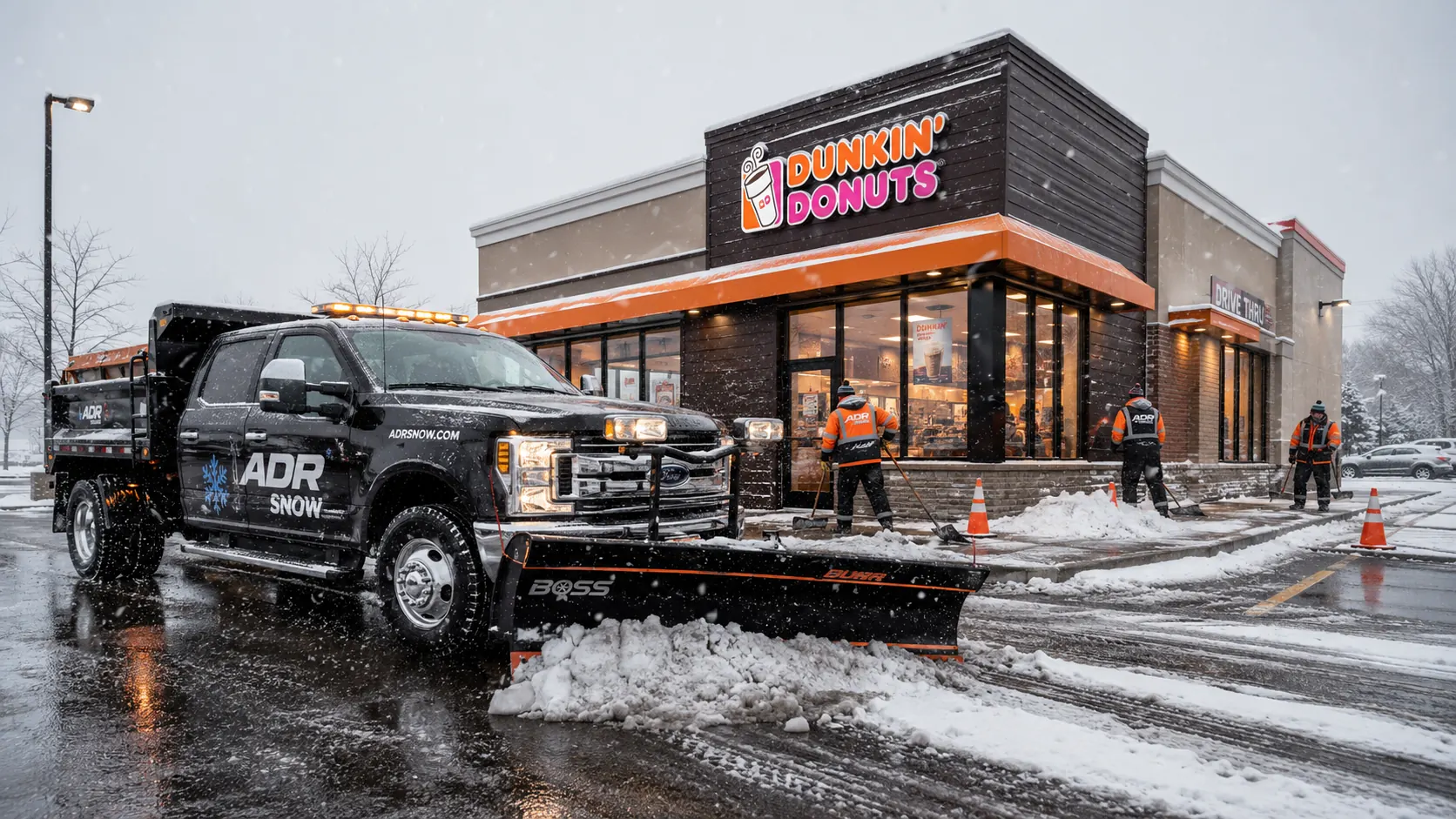
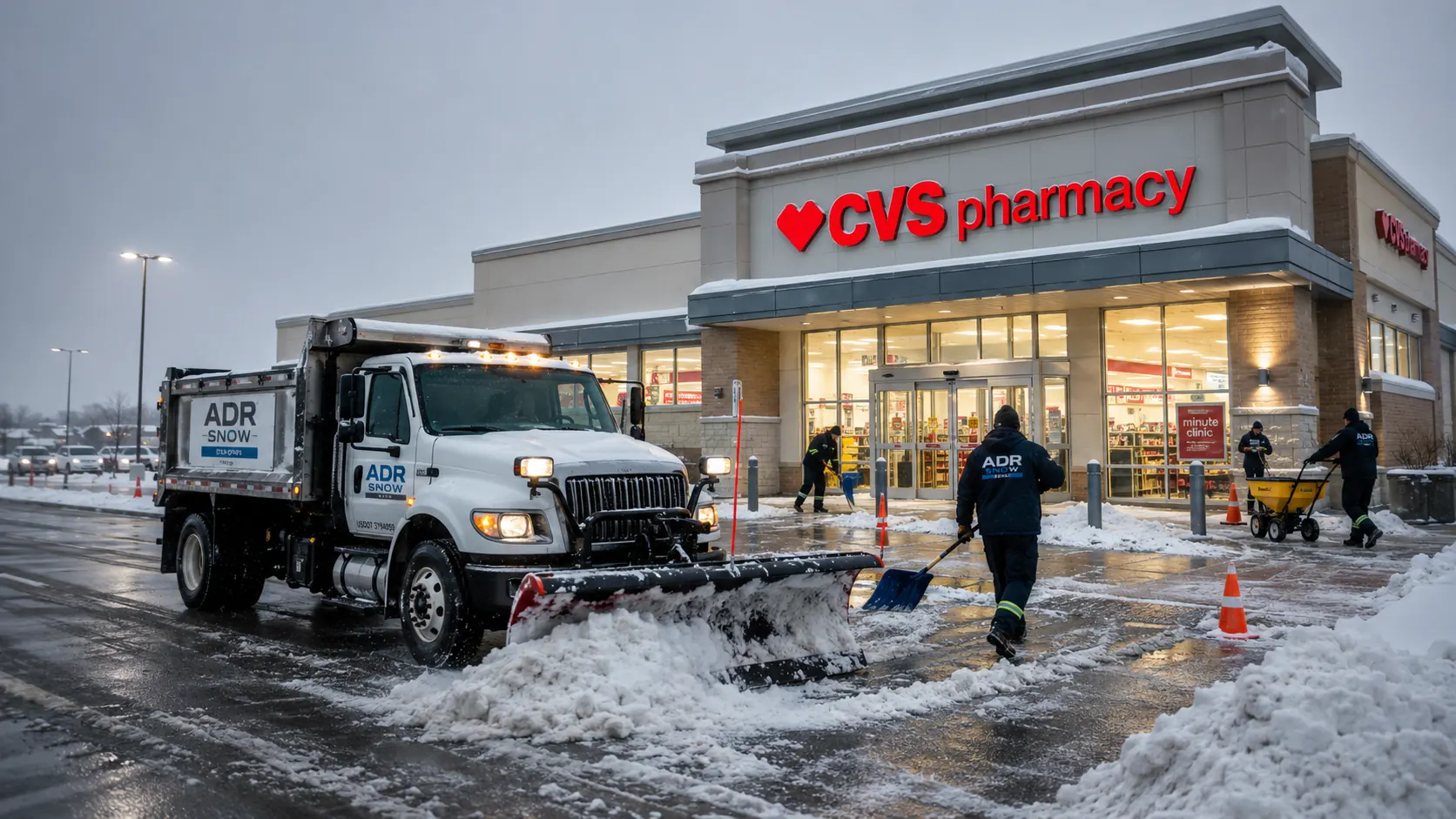
ADR Snow Management runs commercial winter operations across New York, New Jersey, Connecticut and Massachusetts. If your property would benefit from a contract structured around the standards described above, the conversation starts with a callback.