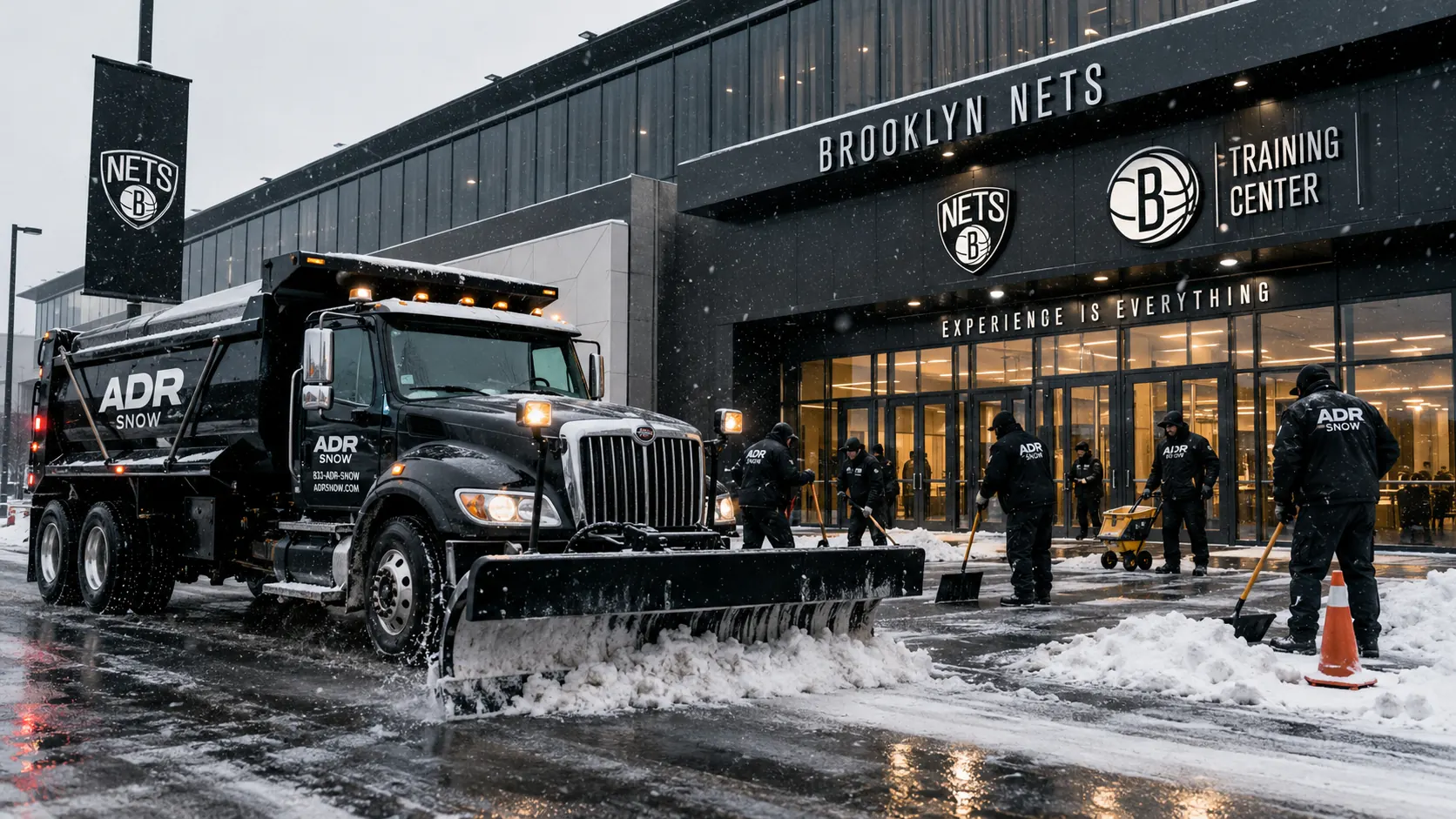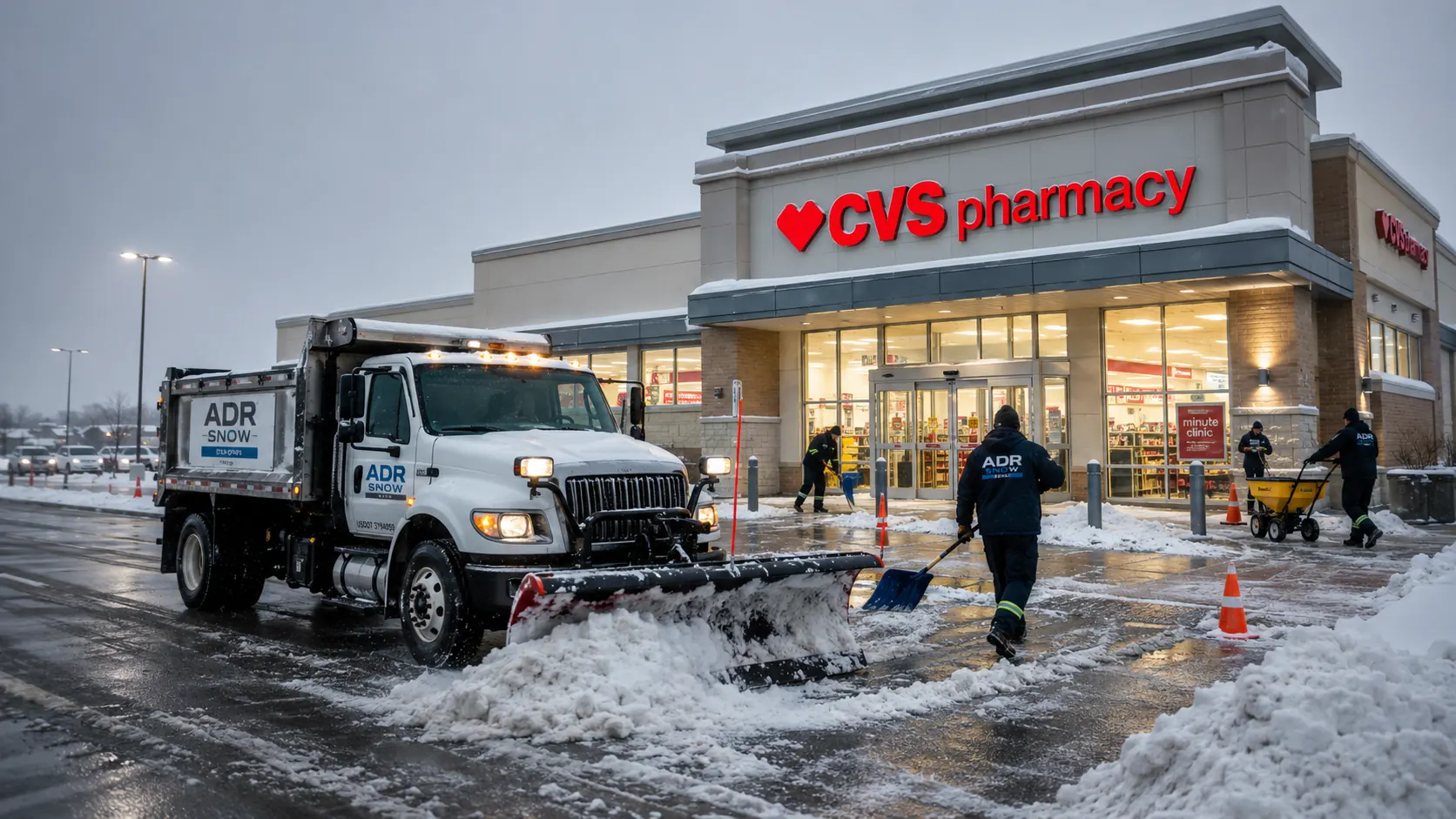

Winter incident litigation in the United States runs on weather data. Every claim file pulled together by a plaintiff or defendant in a slip-and-fall case after a winter event includes forecast records, observed conditions, temperature curves and storm timing. The weather context is not just background. It is part of the substantive legal analysis of whether the property operated reasonably.
The storm-in-progress doctrine
A widely cited principle across US jurisdictions is the storm-in-progress doctrine. The basic idea is that a property cannot be reasonably expected to clear an active accumulation. Until the storm ends, the property is generally not liable for incidents that occur during the storm itself, subject to specific facts of the case.
The doctrine has limits. It does not protect properties from incidents in pre-existing conditions before the storm. It does not protect properties from incidents that occur after the storm has ended and the cleanup window has lapsed. And it does not protect properties from incidents in zones the property had a specific duty to maintain regardless of weather.
The reasonable-response window
After the storm ends, a property has a reasonable window to clear, treat and restore conditions. The exact duration of the window varies by jurisdiction and by local ordinance. In NYC the window is codified. In other markets it is interpreted through common law on a case-by-case basis.
What matters operationally is that the property documents when the storm ended, when clearing began, when the property was returned to safe condition, and what monitoring continued through the post-storm freeze window. That documentation is what defines whether the response was within the reasonable window.
How serious operations document the weather context
A well-run commercial snow program automatically captures the weather context as part of its operating record. Forecast pulls before each event. Observed conditions logged at intervals. Storm end times documented. Post-storm freeze monitoring recorded. The property does not generate this from scratch when an incident occurs. The record already exists.
Operational note
ADR Snow Management runs commercial winter operations across New York, New Jersey, Connecticut and Massachusetts. If your property would benefit from a contract structured around the standards described above, the conversation starts with a callback.