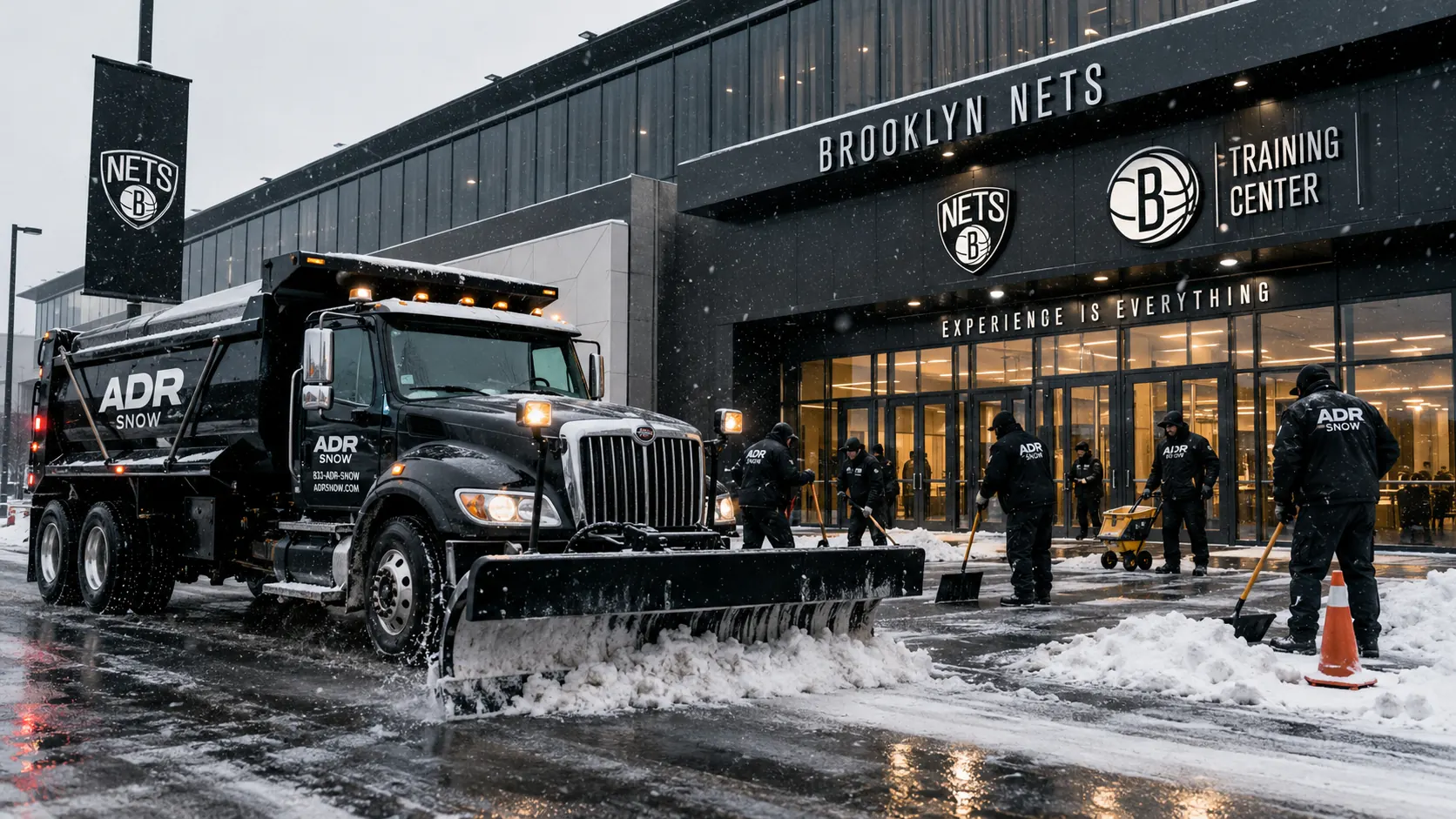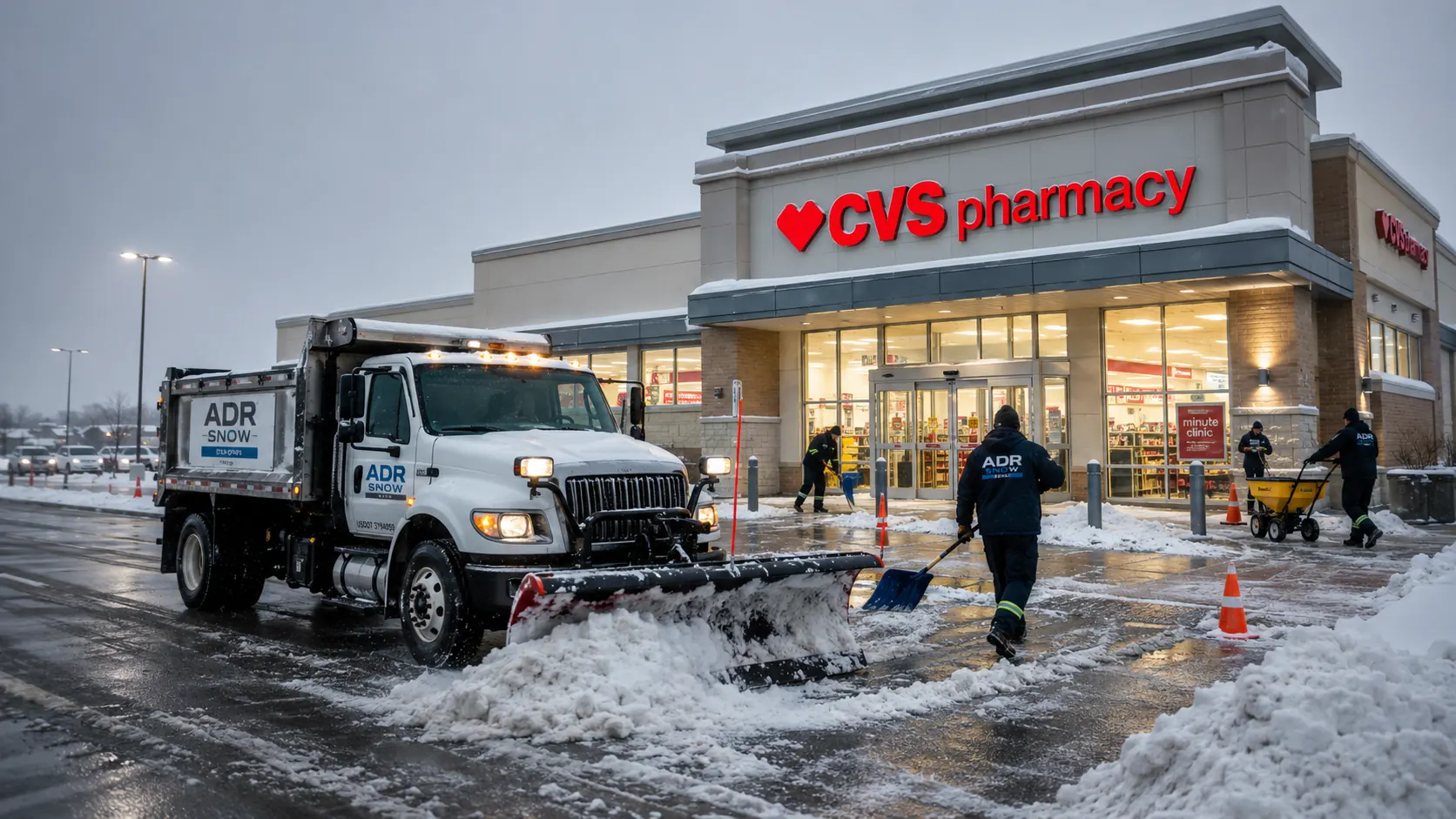

The short answer is yes. A person who slips on ice on commercial property can file suit against the business that operates the property. Whether that suit recovers damages is a different question, and the answer to that one depends on a structured set of legal tests that vary by state but share a common shape.
What the plaintiff has to prove
In broad terms, a plaintiff in a winter slip-and-fall claim has to demonstrate three things. First, that the property owner or operator had a duty of care toward the person who fell, which typically follows from the person being a customer, tenant, employee or invitee on the property. Second, that the property breached that duty, which means failing to take reasonable steps to clear, treat or warn about the dangerous condition. Third, that the breach actually caused the injury.
The reasonable-steps test is where most cases are won or lost. The plaintiff does not need to prove the property was perfect. The plaintiff needs to prove the property was unreasonable. And the property defends itself by demonstrating that it operated reasonably under the conditions.
What "operated reasonably" actually looks like
In court, a reasonable winter operation looks like documentation. A contracted snow management vendor on retainer. Trigger depths defined and met. Routes timed to property use. Salt and de-icing applied with logged application rates. Time-stamped photos of conditions before and after each visit. Internal property records of staff sweeps and condition reports.
A property that can produce that file has an operationally defensible record. A property that cannot produce that file is in a fundamentally different legal position, regardless of whether the actual operations were diligent.
The takeaway for property operators
Slip-and-fall litigation is not won by avoiding incidents. Incidents will happen on properties operating at a high standard. Litigation is won by producing the documentation record that demonstrates the operation was reasonable. The contract that delivers that record is doing legal work, not just operational work.
Operational note
ADR Snow Management runs commercial winter operations across New York, New Jersey, Connecticut and Massachusetts. If your property would benefit from a contract structured around the standards described above, the conversation starts with a callback.