
Commercial snow management for property managers running Manhattan portfolios under the tightest operating constraint we cover.
Sidewalk-and-curb operations for storefronts, branch banks, hospitality and corporate properties across Manhattan. Zero on-site stacking. Off-site hauling on every event. NYC Administrative Code §16-123 compliance documented per event for the property file and the procurement record.

Coverage state
New York
NY
National accounts under contract in Manhattan




NYC · Manhattan
Commercial snow response in Manhattan.
Manhattan is the most operationally constrained borough we cover. There is effectively no on-site stacking capacity. Sidewalks carry the highest pedestrian liability exposure in the city. Curbside parking lanes are tightly contested. Our Manhattan operation is engineered around those constraints, with master agreements built for property managers running street-level retail, branch banking, hospitality and Manhattan corporate accounts.
Read more about Manhattan dispatch
Every Manhattan account runs as a shoveling-plus-removal contract by default. Walkways and curb-cut accesses cleared on opening-hour routes calibrated to the NYC §16-123 sidewalk-clearing window. Accumulation hauled off site in overnight cycles. De-icing applied on every shoveling pass and again during freeze-thaw windows. The documentation cadence is heavier than any other dispatch zone we run because the liability profile is.
For property management groups running multi-property Manhattan portfolios, the master agreement consolidates retail, hospitality, financial and corporate accounts under one contract. Single account manager, single invoice across all properties, single rollup report for the procurement file. Coordination with on-site property staff is daily during the season, with operating discipline that survives turnover at the vendor or the property side.
Parent state
NY
Neighborhoods
8
Service portfolio
5 services
Response window
< 2h
Neighborhoods we serve
Manhattan dispatch perimeter.
Commercial accounts active across the neighborhoods listed below. Properties outside the perimeter handled on case-by-case basis.
At the client, in the storm
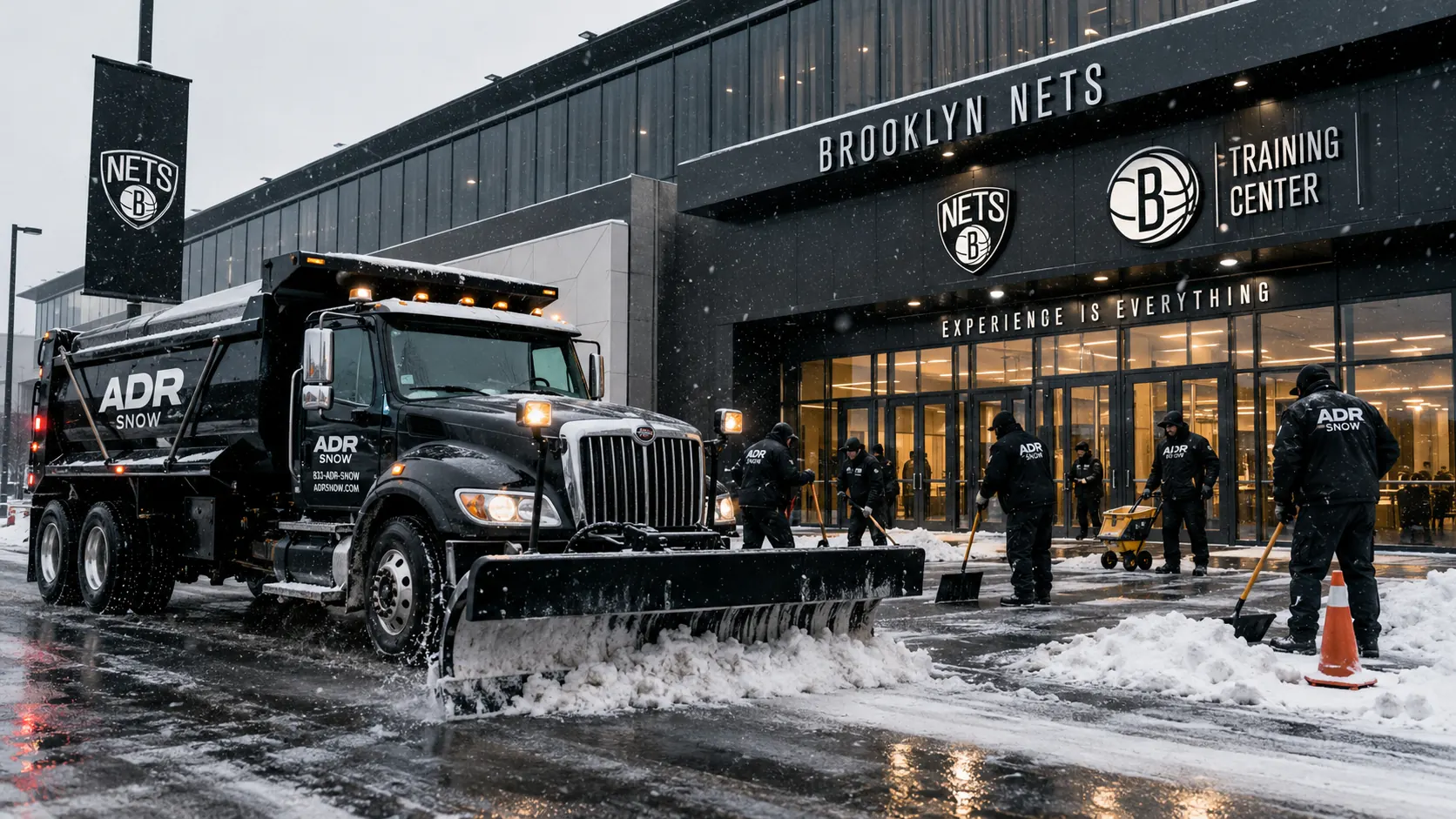
Commercial properties across the Northeast where ADR Snow crews work during winter events.
Field work at national accounts and managed properties, captured during real snow events.
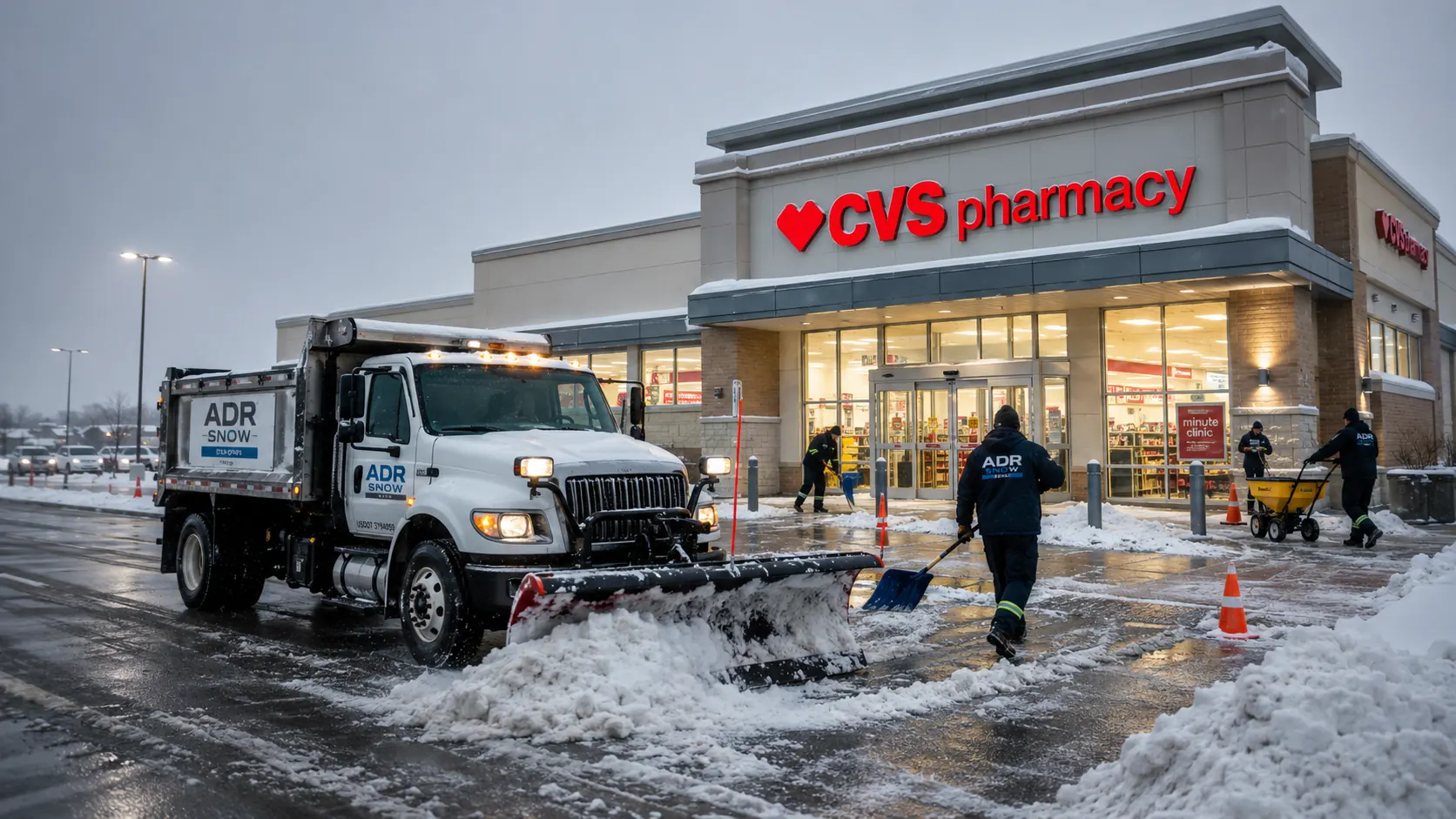
Pharmacy chain
CVS Pharmacy
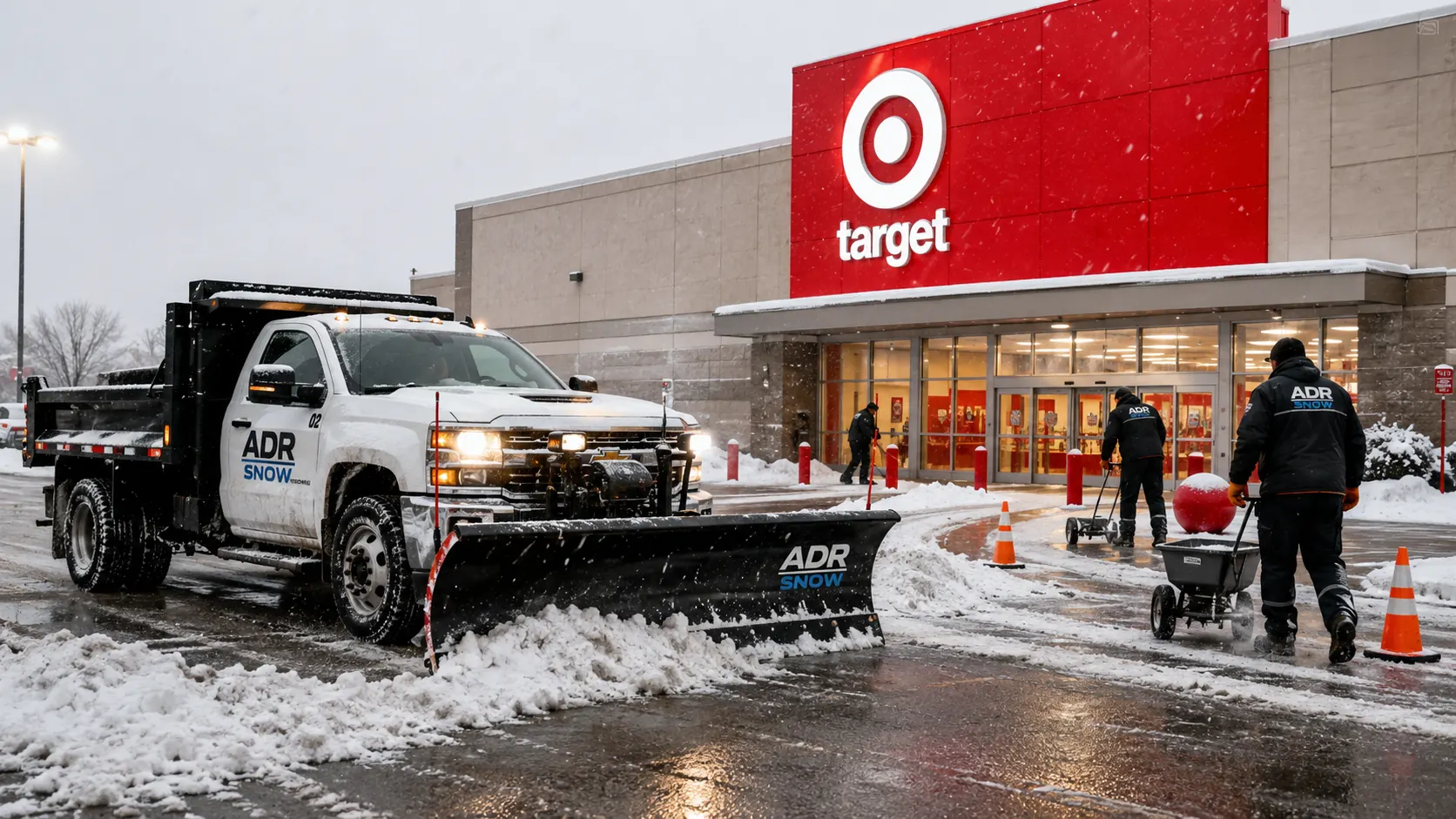
National retail
Target
Sports and entertainment
Brooklyn Nets Training Center
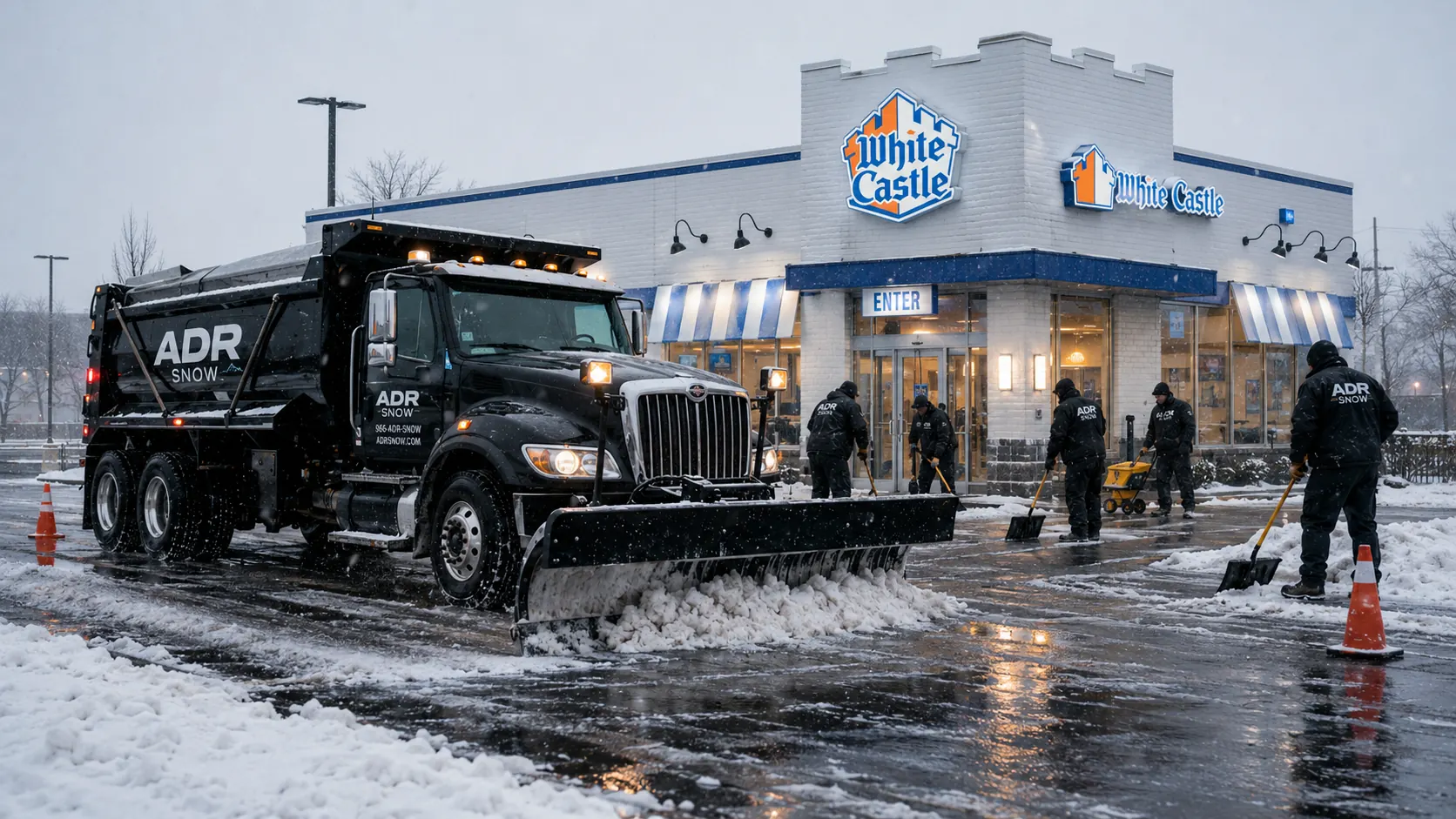
Quick-service restaurant
White Castle
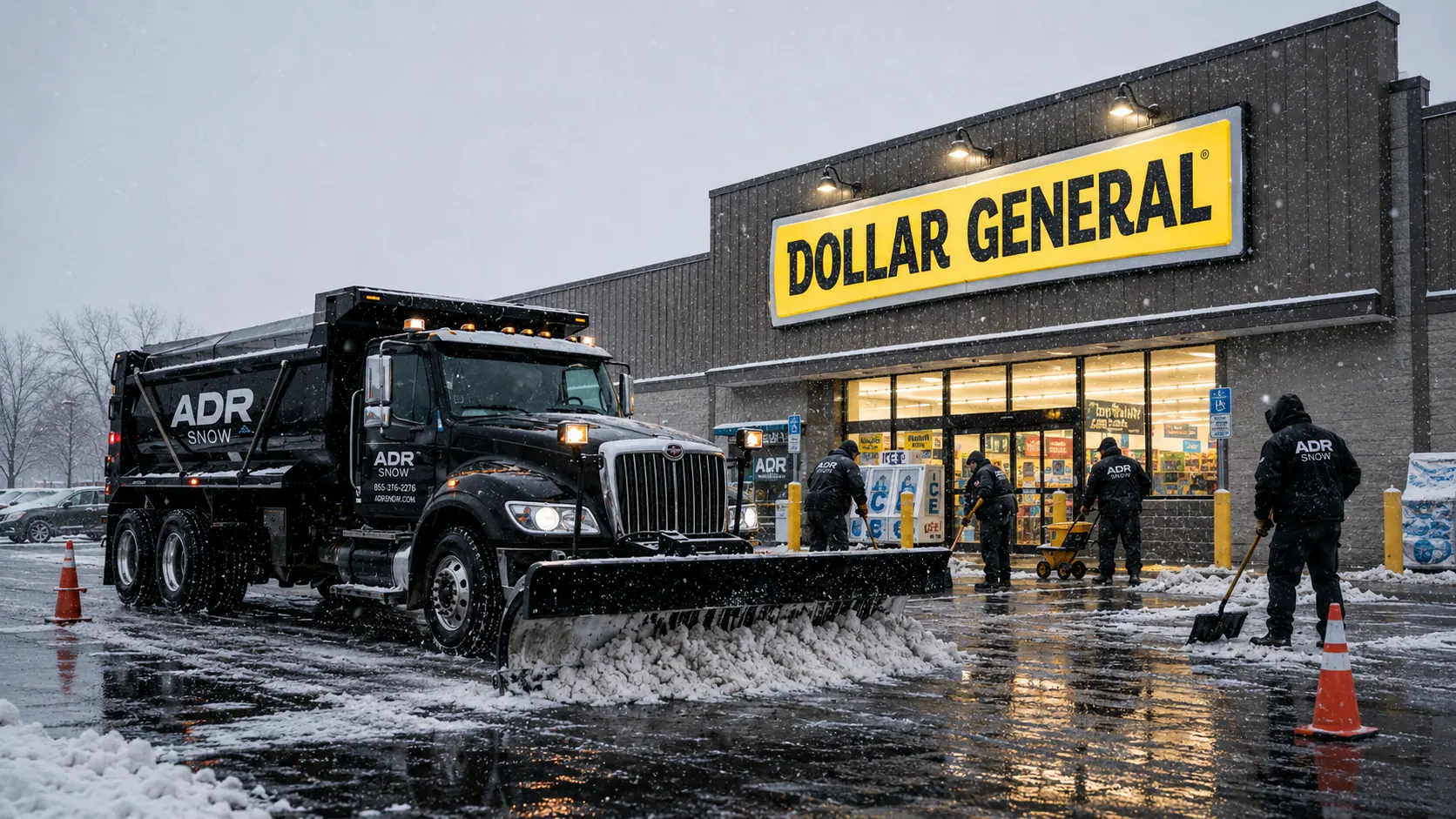
Retail chain
Dollar General
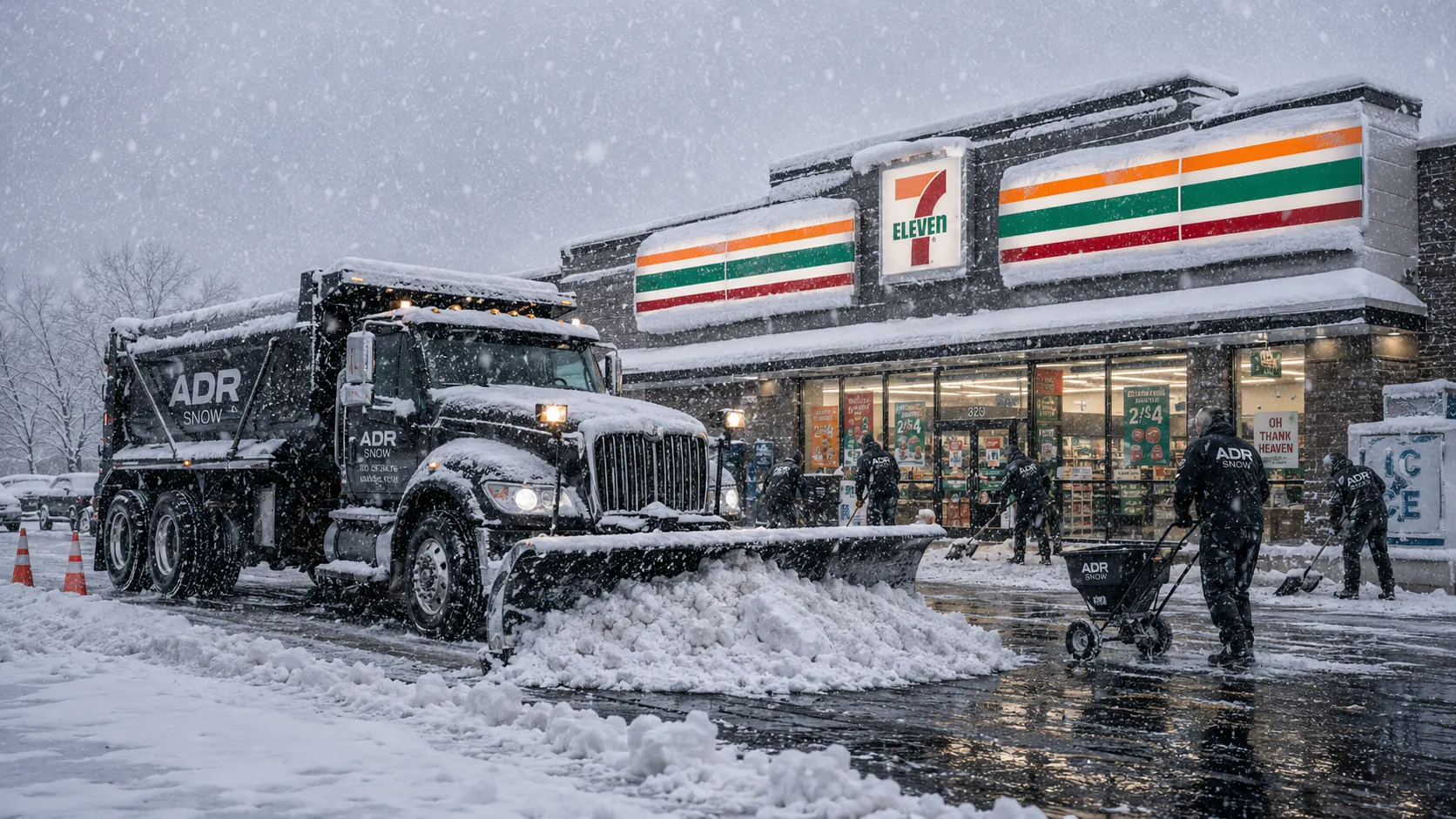
Convenience chain
7-Eleven
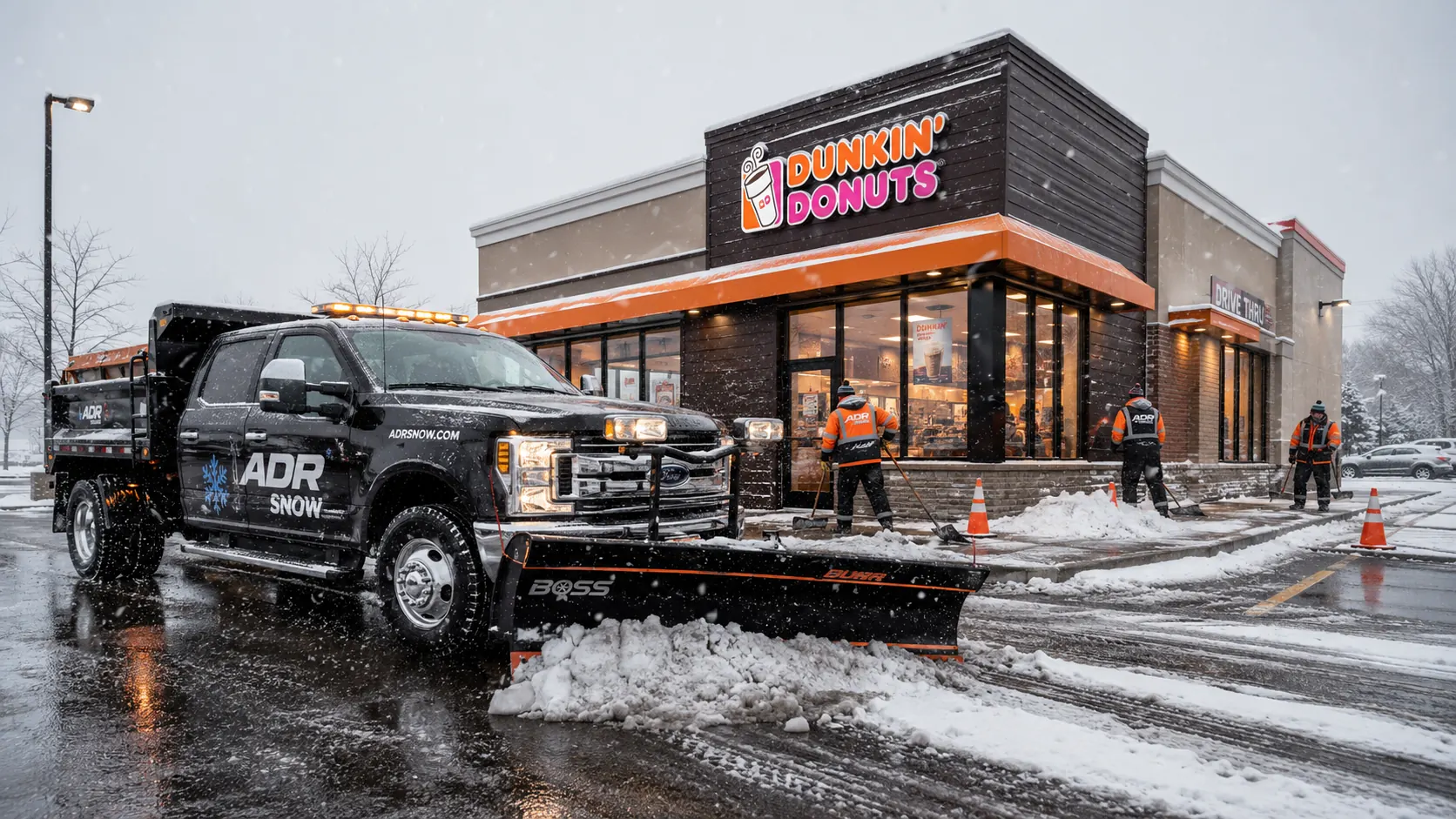
Quick-service restaurant
Dunkin'
Client sites shown with permission. Full client list shared under NDA.
Services in the area
Full service portfolio across this region.
Same five services, same five contract models, same operating protocol everywhere we dispatch.
Snow Plowing
View service02Snow Removal
View service03Snow Pushes
View service04Snow Shoveling
View service05Salting & De-Icing
View serviceClient operations platform
For regional portfolios, the ADR Snow client-access operations platform helps property teams follow service progress across locations during active snow events.
Common questions
Questions specific to Manhattan.
Do you service street-level storefronts?
Yes. Retail storefronts, restaurants and ground-floor commercial are core to our Manhattan account base. The contract covers both the property-side walkway and the curb-cut access on every event.
Can you finish inside the §16-123 sidewalk-clearing window?
Yes. Routes are built to meet the Administrative Code requirement by default. Crews dispatched at storm start (not storm end) so the closing pass finishes inside the window. Time-on-site logged for every visit.
Is on-site snow stacking ever an option in Manhattan?
Rarely. Most properties here run removal-first contracts. Stacking is only viable on a handful of larger sites with off-street capacity, and even those usually have a low-threshold removal trigger so stacks do not block tenant access.
What service record do we get if we run multiple Manhattan properties?
Photos before and after every visit, application logs for salt and de-icing, route records and event reports inside twenty-four hours, per property. Monthly rollup consolidates everything into one report. Your risk team gets the file without having to chase it.
What does a typical multi-property Manhattan contract look like?
Seasonal flat-rate, with a schedule per site. Each property has its own route map, shoveling cadence, removal trigger and de-icing chemistry. One account manager handles dispatch, one invoice, one rollup report. CAM-friendly invoicing where the lease allows tenant pass-through.
Sign before November
Get your commercial snow contract signed before the season starts.
Once the first storm hits, our crews respond first to properties already under contract.
Priority dispatch
First to the site once the storm starts.
Fixed season price
Locked at signing with no storm-day markups.
Dedicated crew
The same operators on your property through every event.
COI at signing
Insurance certificate delivered along with the contract.
Talk to our team
Get a proposal in one business hour.
Two fields. Twenty seconds. A real person calls back within an hour during winter.